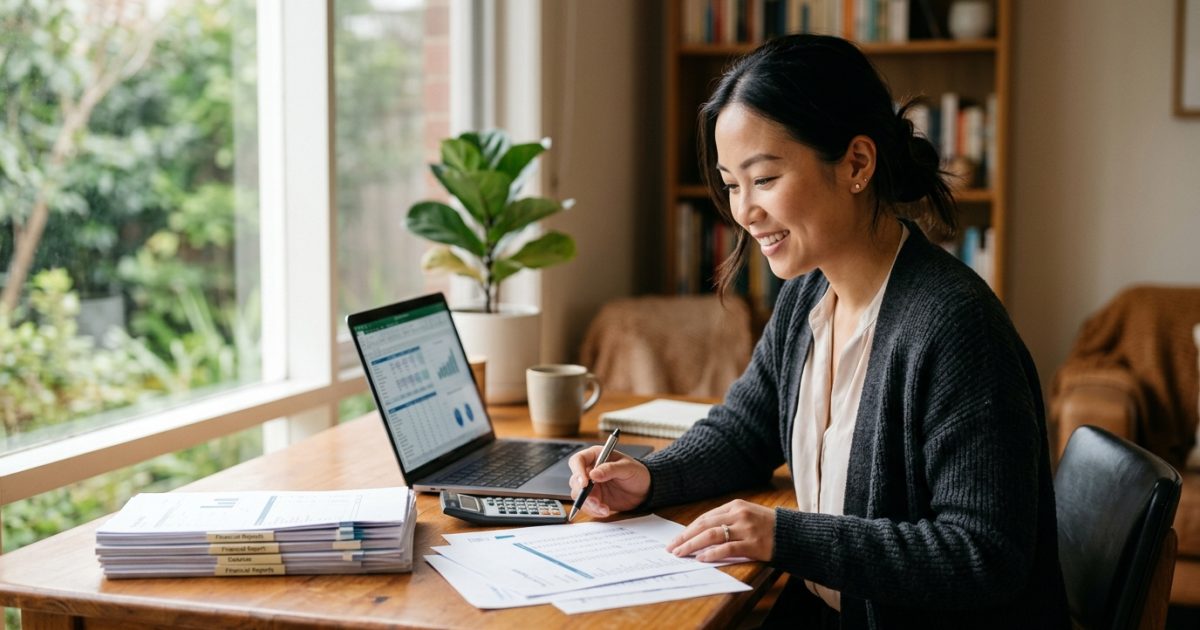
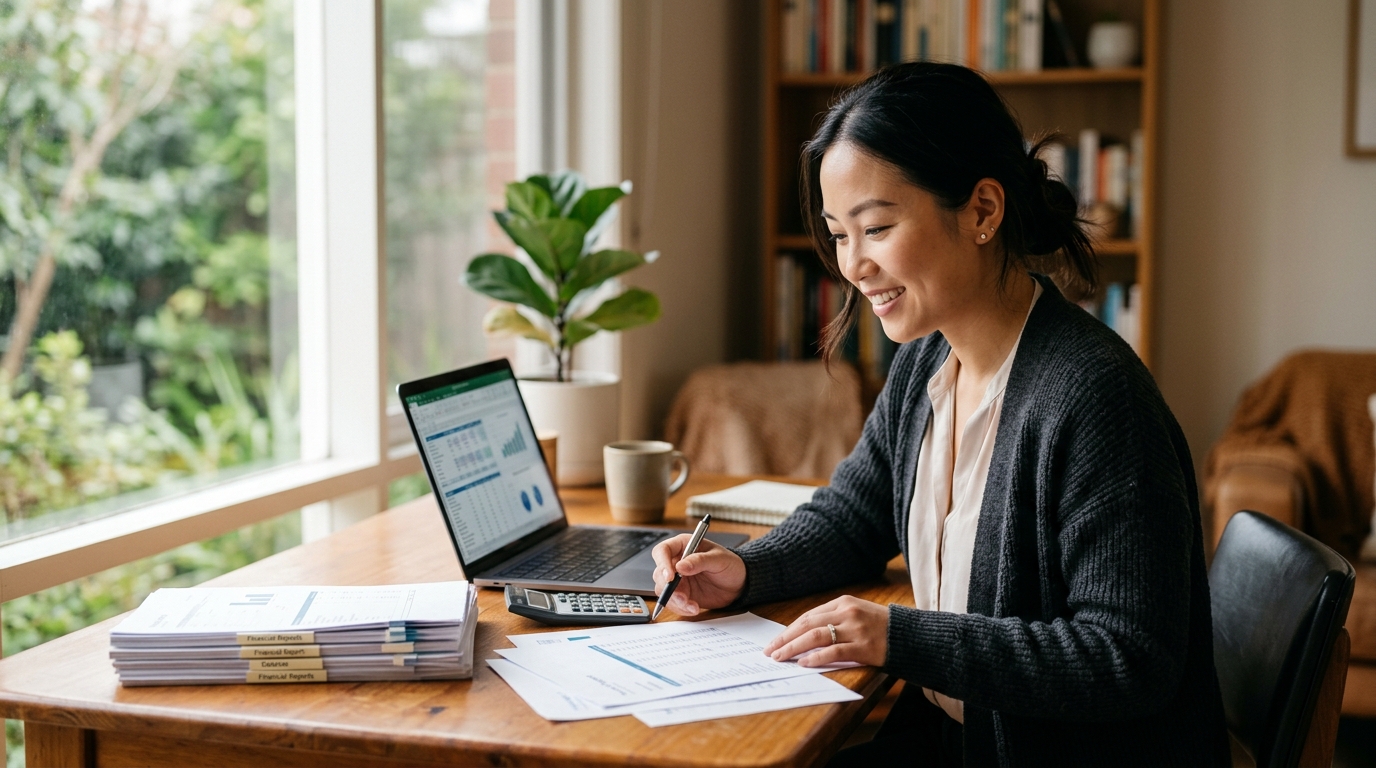
Brisbane has a solid range of personal tax accountants who handle individual tax returns, investment property deductions, capital gains events, and income from multiple sources. Finding the right one depends on your situation, whether you’re a salaried employee with straightforward returns or someone managing shares, rental properties, or a side business alongside regular employment.
What Personal Tax Accountants in Brisbane Actually Do
Personal tax accountants prepare and lodge individual income tax returns with the ATO, but the value they add goes beyond data entry. A good accountant will identify deductions you may have missed, such as work-related expenses, home office costs, vehicle logbook claims, and self-education expenses. They also advise on the tax implications of selling assets, receiving an inheritance, or winding down an investment. For people with rental properties, they reconcile rental income against interest, depreciation, repairs, and agent fees to arrive at the correct net position. Most Brisbane accountants charge between $150 and $400 for a straightforward individual return, with fees rising for more complex situations involving capital gains or multiple income streams.
Where to Find Personal Tax Accountants in Brisbane
Brisbane has tax accountants spread across the CBD and suburbs, with notable concentrations in Spring Hill, Milton, Fortitude Valley, and suburban centres like Chermside, Carindale, and Sunnybank. Firms such as Kelly+Partners, H&R Block, and numerous independent CPA practices operate across the city. Many Brisbane accountants now offer video appointments year-round, which suits people who prefer not to travel into the CBD during tax time. For straightforward returns, some practices offer fixed-fee appointments that can be completed in 30 to 45 minutes. If your situation involves an ATO audit, a payment plan, or back-lodgement of multiple prior-year returns, look specifically for a registered tax agent with experience in ATO dispute resolution rather than a bookkeeper who also prepares returns.
What to Look for When Choosing One
Registration with the Tax Practitioners Board (TPB) is the baseline requirement. Any person charging a fee to prepare a tax return in Australia must hold a current tax agent registration, which you can verify at tpb.gov.au. Beyond registration, look for someone who asks questions rather than simply processing numbers you hand them. A membership with CPA Australia or Chartered Accountants ANZ indicates the accountant holds a formal tertiary qualification and meets ongoing professional development requirements. It is worth asking upfront whether the firm charges hourly or on a fixed-fee basis, and whether the fee includes ATO correspondence if questions arise after lodgement.

Frequently Asked Questions
When is the tax return deadline in Australia?
The standard deadline for individuals lodging their own return is 31 October each year, covering the financial year ending 30 June. If you lodge through a registered tax agent, you may qualify for an extended deadline, sometimes as late as 15 May the following year. You need to be on your accountant’s books before 31 October to access that extension.
Is it worth paying an accountant for a simple tax return?
For a return with only a PAYG payment summary and a few deductions, myTax is often sufficient. An accountant adds clear value once you have rental income, capital gains events, a home office claim, or an ABN alongside employment income. The accountant’s fee is also tax-deductible in the following year’s return.
Can a Brisbane tax accountant help with prior-year returns?
Yes. Registered tax agents can lodge returns for previous income years, including years where no return was ever submitted. The ATO generally allows amendments and late lodgements going back two years for individuals, though the ATO can request earlier years if there is an outstanding obligation.