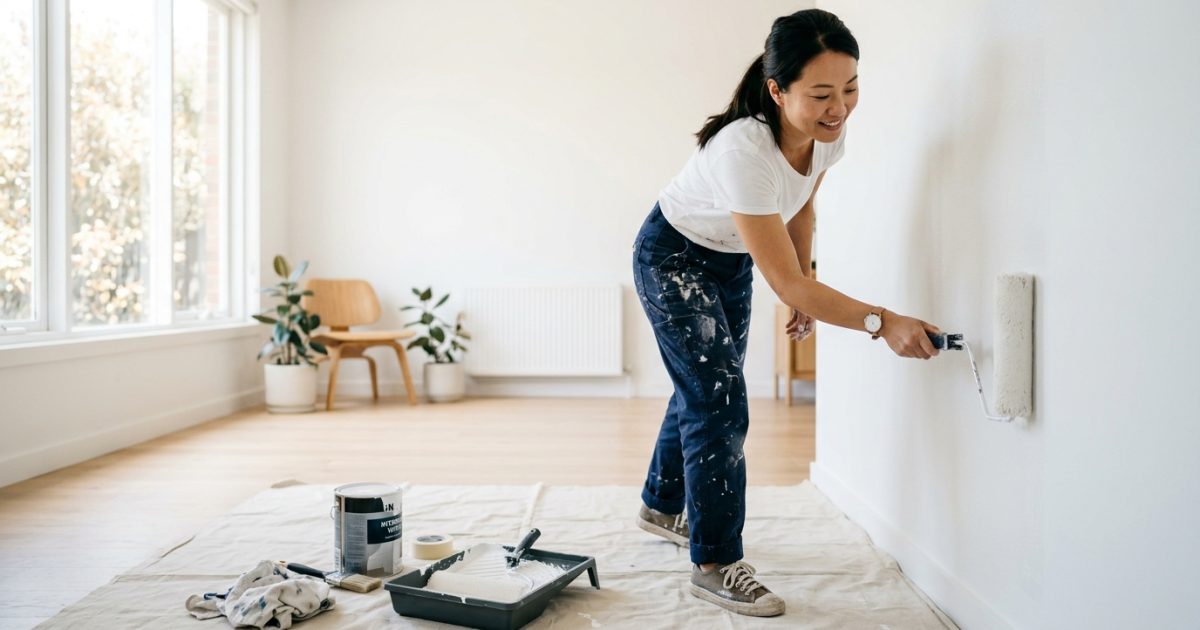
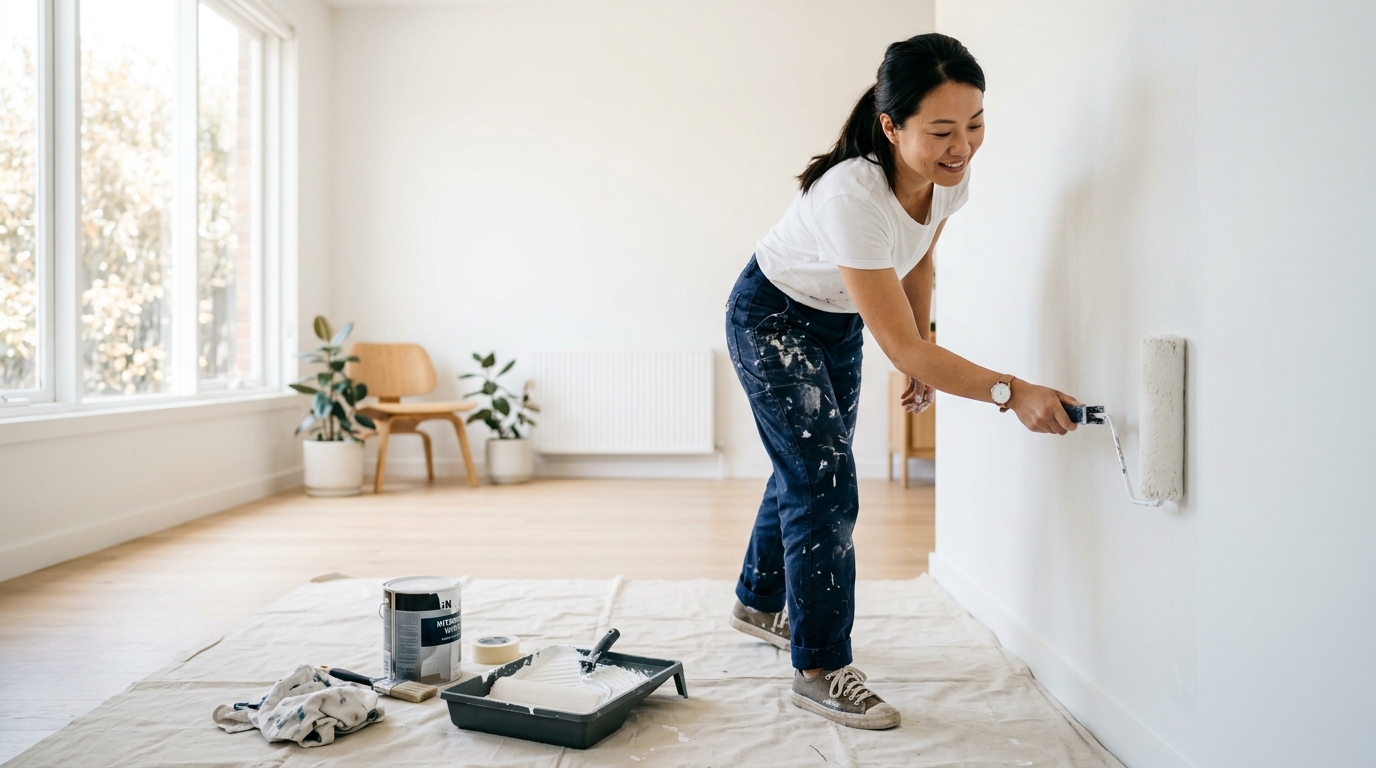
Brisbane has a strong market of licensed house painters covering everything from full exterior repaints to interior feature walls, with costs typically ranging from $3,000 to $12,000 for a standard three-bedroom home depending on surface area, prep work required, and paint quality. Established local operators include Platinum Painters Brisbane, Brisbane House Painters, and All Seasons Painting, all of which carry public liability insurance and hold a Queensland Building and Construction Commission (QBCC) licence.
What to Look for in a Brisbane House Painter
The single most important credential is a current QBCC licence, which you can verify free at licence.qbcc.qld.gov.au by searching the tradesperson’s name or licence number. Any painter doing residential work valued over $3,300 must hold one. Beyond licensing, check that they carry a minimum of $5 million in public liability insurance and ask to see a sample written quote that itemises surface preparation, primer coats, paint brand and sheen, and the number of finish coats. Vague quotes are a common source of disputes once a job is underway.
Surface preparation accounts for a large share of a job’s final quality. A reputable painter will sand, fill cracks, apply a suitable primer, and allow adequate drying time before any top coat goes on. Skipping prep is how cheap jobs fail within two to three years rather than lasting the expected eight to twelve years.
Typical Costs for House Painting in Brisbane
Exterior painting for a single-storey three-bedroom brick or weatherboard home generally runs between $4,500 and $8,000, including preparation and two coats of a mid-range product such as Dulux Weathershield or Solver Permalast. Double-storey homes attract a height premium, often adding $1,500 to $3,000 to the base price due to scaffolding or elevated work platform hire. Interior painting (three bedrooms, two living areas, two bathrooms) typically costs $3,000 to $6,500, with price variation driven largely by ceiling height, the number of doors and window frames included, and whether walls are in good condition or need significant patching. Hourly rates for Brisbane painters sit around $45 to $65 per hour when quoted on a time-and-materials basis.
Getting Quotes and Comparing Painters
Collect at least three written quotes before committing. Request that each quote specifies the same scope: same paint brand, same number of coats, and the same definition of surface preparation. A quote that looks 30 percent cheaper is often cheaper because it omits primer or proposes a single top coat rather than two. Ask each painter for two or three references from jobs completed in the past twelve months, and check Google and ProductReview listings for patterns in complaints rather than focusing on individual reviews.
Frequently Asked Questions
Do Brisbane house painters need a licence for small jobs?
A QBCC licence is required for any residential painting work valued at $3,300 or more (including GST). Below that threshold, a licence is not legally required, though many professional painters still hold one. For jobs near or above that figure, always verify the licence before signing a contract.
How long does it take to paint a house in Brisbane?
A full exterior repaint of a standard three-bedroom single-storey home takes two to four days in dry conditions. Interior painting of the same home typically runs three to five days. Brisbane’s summer humidity can extend drying times between coats, so jobs scheduled from November to February may take slightly longer.
What paint is best suited to Brisbane’s climate?
For exteriors, a 100 percent acrylic paint with UV resistance is the standard recommendation in Brisbane’s subtropical conditions. Products such as Dulux Weathershield and Solver Permalast are formulated for high UV exposure and humidity. For interiors, low-sheen or satin acrylic finishes are practical choices in living areas, while semi-gloss is more appropriate for kitchens and bathrooms where moisture resistance matters.