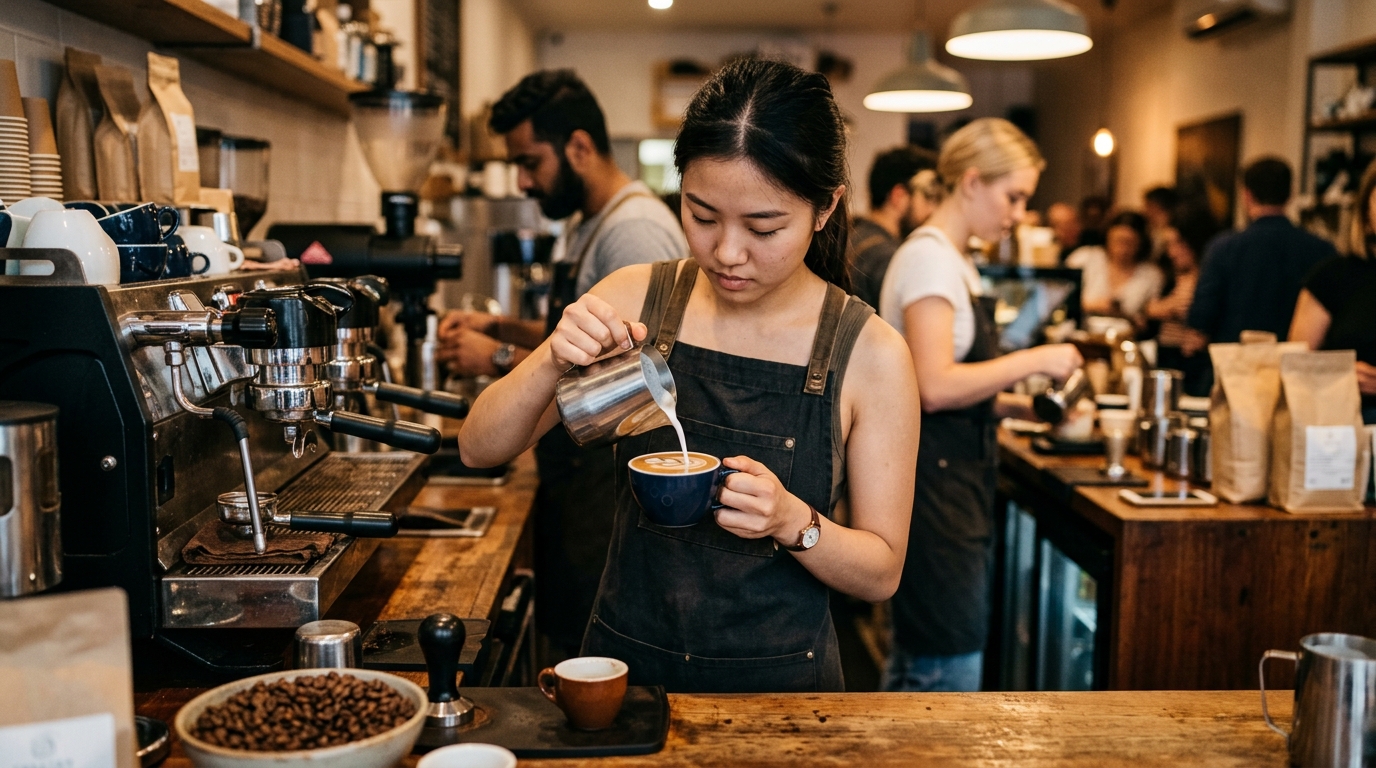
Quick price summary: Cafes in Brisbane (2026)
- Low end: $80,000 – $150,000 (small takeaway or existing cafe purchase)
- Mid-range: $150,000 – $350,000 (new fit-out, full espresso menu, seated service)
- High end / enterprise: $350,000 – $600,000+ (premium location, custom design, full food menu)
Prices in AUD. Last updated 2026.
Opening a cafe in Brisbane involves a wide range of upfront and ongoing costs, from securing a commercial space and fitting it out to purchasing equipment, obtaining licences, and hiring staff. The total investment depends heavily on whether you are starting from scratch, buying an existing cafe, or taking over a leased fit-out. Each path comes with a different cost profile and a different level of risk.
Costs vary because no two cafes are the same. A compact takeaway kiosk in a suburban strip mall and a 60-seat specialty coffee venue in Fortitude Valley sit at opposite ends of the spectrum in terms of setup requirements, staffing levels, equipment needs, and ongoing operational costs. Understanding where your concept sits within that range is the first step to building a realistic budget.
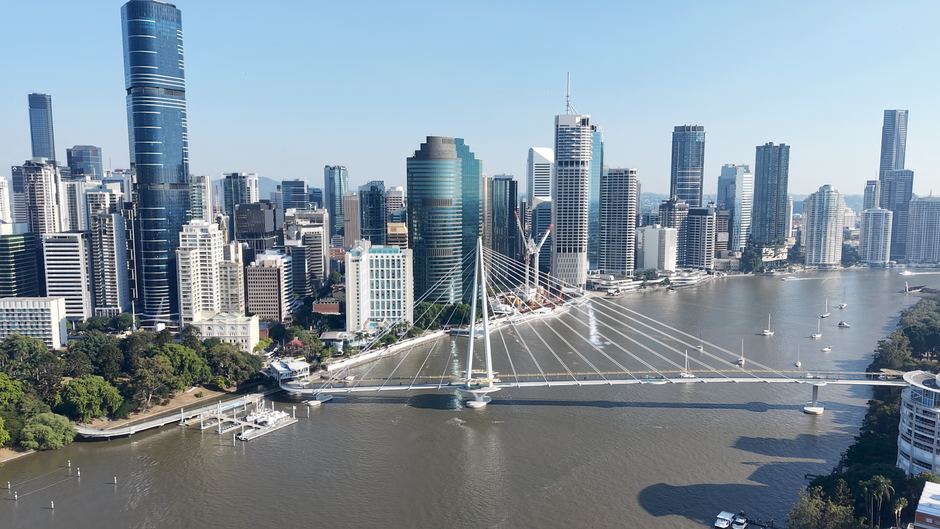
What Do Cafes Cost in Brisbane?
In Brisbane, the typical startup cost for a new cafe ranges from $150,000 to $400,000. A simple takeaway-focused operation with minimal seating can come in closer to $80,000 to $120,000 if you find a space that already has some fit-out in place. At the other end, a full-service cafe with custom interior design, a commercial kitchen capable of producing a food and drinks menu, and high foot-traffic positioning in inner Brisbane can push well past $500,000 before you serve your first coffee.
Buying an existing cafe is often seen as a lower-risk entry point. Prices for established Brisbane cafes range from around $50,000 for a struggling small operation to $300,000 or more for a profitable business with strong systems, loyal customers, and a solid lease in place. The appeal is that the equipment, fit-out, and often some goodwill are included, but buyers should scrutinise financials carefully before committing.
Price Breakdown by Service Level
| Service Level | What You Get | Typical Price Range | Best For |
|---|---|---|---|
| Basic / Kiosk | Small takeaway setup, espresso machine, limited food, minimal seating or none | $80,000 – $150,000 | First-time operators, low-overhead concepts, high foot traffic locations |
| Standard Cafe | Full espresso bar, seated service up to 40 covers, simple food menu, standard fit-out | $150,000 – $250,000 | Suburban cafes, neighbourhood dining, established operators expanding |
| Premium Cafe | Custom interior design, specialty coffee program, full food and drinks menu, 40-80 seats | $250,000 – $400,000 | Specialty coffee venues, brunch destinations, inner-city locations |
| High-End / Destination | Architect-designed space, premium equipment, full commercial kitchen, professional branding, 60+ seats | $400,000 – $600,000+ | Flagship venues, hospitality groups, investors with strong financial backing |

What Affects the Cost of Cafes in Brisbane?
Location and commercial space
Leasing a commercial space in Brisbane’s inner suburbs, the CBD, or high-traffic areas like South Bank or New Farm will cost significantly more than a suburban or outer-ring location. Expect to pay anywhere from $400 to $1,200 per square metre annually in rent depending on the area. Many landlords also require a fit-out contribution, a bond equivalent to three to six months’ rent, and legal fees for lease review, which can add $3,000 to $8,000 in upfront costs before any physical work begins.
Fit-out and interior design
A basic cafe fit-out in Brisbane typically costs between $1,000 and $2,000 per square metre. For a 60-square-metre space, that translates to $60,000 to $120,000 for construction alone, before furniture, signage, or equipment. Investing in professional brand design, including your logo, colour palette, signage, and interior styling, adds $5,000 to $20,000 depending on the designer, but it directly affects how customers perceive the business from day one.
Equipment
Commercial espresso machines, grinders, refrigeration, coffee beans and milk storage, point-of-sale systems, and food preparation equipment represent one of the largest cost categories. A commercial espresso machine alone ranges from $5,000 to $20,000. A full equipment package for a standard cafe, covering the espresso bar plus a basic food operation, typically sits between $30,000 and $80,000. Point-of-sale systems suited to hospitality businesses run from $1,000 for a basic setup to $5,000 annually for a full subscription-based POS with inventory management and reporting.
Licences, permits, and legal fees
To legally operate a cafe in Brisbane and across Australia, you need a range of licences and permits. These include a food business licence from Brisbane City Council (around $200 to $800 depending on the scale of your food operation), a business name registration ($39 annually with ASIC), and potentially a liquor licence if you plan to serve alcohol ($185 to several thousand dollars depending on the licence type). Legal fees for reviewing your lease, setting up a business structure, and handling any compliance work typically range from $1,500 to $5,000. Skipping this step to save money is one of the most common and costly mistakes new cafe owners make.
Staffing and operational costs
Staffing is often the largest ongoing expense for cafe owners. In Brisbane, a qualified barista earns between $25 and $35 per hour under the relevant hospitality award, with penalty rates applying on weekends and public holidays. A cafe with two staff on at any time during a six-day trading week will spend $5,000 to $10,000 per month on wages alone before factoring in superannuation. Operational costs including coffee beans, milk, food ingredients, packaging, and cleaning supplies typically represent 30 to 40 percent of weekly revenue for a standard Brisbane cafe.
How to Get Accurate Quotes
- Define your concept before approaching anyone. Know your approximate seating capacity, whether you will serve food, and whether you want a takeaway, dine-in, or hybrid operation. This lets suppliers and designers give you a realistic cost estimate rather than a generic one.
- Get at least three quotes for your fit-out from commercial shop fitters who have experience with hospitality businesses. Ask to see examples of completed cafe fit-outs and check that they understand Brisbane City Council’s building code requirements.
- Speak to a commercial lease lawyer before signing anything. A lease review typically costs $800 to $2,000 and can save you significantly more if a problematic clause is identified. Check rent review terms, permitted use clauses, and make-good obligations.
- Contact Brisbane City Council directly or use their online business portal to confirm exactly which food licences and permits your specific operation will require. Requirements vary based on whether you are preparing food on-site, reheating pre-made items, or running a full kitchen.
- Ask your equipment supplier about finance options. Many commercial equipment providers offer leasing arrangements that reduce your initial capital requirement, though the total cost over the lease term will be higher than an outright purchase.
Red Flags to Watch Out For
- A fit-out quote that seems unusually low, often 30 to 40 percent below other quotes, usually means the contractor is cutting corners on materials, skipping required permits, or will ask for variations that inflate the final price significantly.
- An existing cafe for sale without current financial statements. Any legitimate sale should include at least two years of profit and loss statements, BAS statements, and a clear explanation of why the owner is selling. Walk away if these are not available.
- A landlord who is unwilling to grant a minimum five-year lease with options. Shorter leases leave you exposed if the business grows and the landlord decides to redevelop or increase rent sharply at renewal.
- Equipment that is sold as commercial grade but lacks proper certification for Australian food safety standards. Uncertified equipment can result in a failed council inspection and force you to delay opening or replace items at full cost.
- A POS system that cannot integrate with your accounting software or does not include inventory tracking. Many new cafe owners underestimate how much untracked food and drink purchases affect profitability until the data is unavailable to review.
- Any supplier or consultant who cannot provide references from other Brisbane hospitality businesses. The local regulatory environment and council requirements are specific enough that experience in other industries or states does not always transfer cleanly.
Frequently Asked Questions
How much do cafes cost in Brisbane on average?
The average startup cost for a new cafe in Brisbane sits between $150,000 and $300,000 for a standard operation. This includes fit-out, equipment, licences, initial stock, and working capital to cover the first few months of trading. Buying an existing cafe can reduce upfront costs, with prices ranging from $50,000 to $300,000 depending on the business’s size, profitability, and lease terms.
Why are some cafes prices so much cheaper?
Lower startup costs usually reflect one of a few situations: the space is smaller, the menu is limited to drinks with minimal food, the fit-out is basic or inherited from a previous tenant, or the owner is doing much of the labour themselves rather than contracting everything out. Cheaper does not always mean less viable, but a very low budget often means compromises on equipment quality, fit-out standard, or the marketing and branding work needed to attract customers from day one.
Is it worth paying more for cafes in Brisbane?
Spending more upfront on a well-designed space, quality commercial equipment, professional photography, and paid digital or influencer marketing to build an audience before opening generally produces a stronger launch and faster break-even. A cafe that looks and functions poorly struggles to retain customers in Brisbane’s competitive market regardless of coffee quality. That said, overspending relative to your projected revenue is equally problematic, and the right investment level depends on your location, target customer, and realistic trading projections.
Opening or buying a cafe in Brisbane in 2026 requires a clear-eyed view of both startup costs and the ongoing operational expenses that will shape whether the business is profitable within its first two to three years. Getting your numbers right before you sign a lease, commit to a fit-out, or purchase an existing business is the single most important thing you can do to protect your investment and give the venture a genuine chance of succeeding.
For a curated list of top-rated providers, see our guide: Best Cafes in Brisbane (2026).